Don't Wait Until It's Bad: Why Your 'Everything Looks Fine' Nail Appointment Is the Most Important One You'll Make
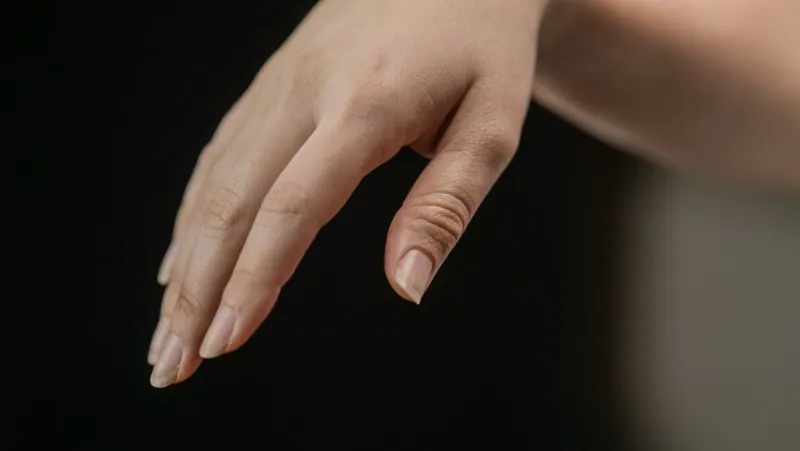
There's a very specific kind of reasoning that happens about two weeks into a manicure. You hold your hand up to the light, tilt it a little, squint, and think: honestly, it still looks okay. Maybe there's a tiny chip near the pinky. Maybe the cuticles are a little rough. But nothing screaming for attention. So you push the appointment back a week. Then another week. Then you're three weeks out, your gel is lifting at the edges, and you've got a full-on nail situation that requires a complete overhaul instead of a simple tune-up.
Sound familiar? You're not alone. And according to the nail technicians and dermatologists who deal with the aftermath of this cycle every single day, it's one of the most common—and most costly—habits their clients have.
The Myth of 'Good Enough'
The cultural tendency to wait until something is visibly broken before fixing it runs deep in the American psyche. We do it with cars, with health check-ups, and yes, with our nails. But nail health doesn't work on a dramatic timeline. The damage that leads to peeling, breakage, thinning, and infection builds slowly and quietly, underneath surfaces that might still look perfectly fine.
"Most clients come in when things are already bad," says one veteran nail technician with over a decade of experience working in busy salons across the Southeast. "But by the time a nail is visibly lifting or breaking, the nail bed underneath has already been stressed for a while. If they'd come in two weeks earlier, we could've handled everything in thirty minutes. Instead, we're doing a full repair job."
That full repair job costs more money, more time, and in some cases, more damage to the natural nail than would have occurred with consistent upkeep.
What Actually Happens When You Skip
Here's the thing nobody tells you when you're staring at your hands deciding whether to reschedule: the gap between "fine" and "disaster" is shorter than you think.
Gel and acrylic enhancements, when left past their service life, begin to lift at the free edge and sidewalls. That lifting creates a gap between the product and the natural nail—a warm, slightly moist environment that's genuinely ideal for bacterial and fungal growth. Dermatologists who specialize in nail disorders see this outcome more often than most people realize, and the treatment process is significantly more involved than a routine maintenance visit ever would have been.
Beyond infection risk, there's the structural issue. When enhancement products start separating from the nail, clients often catch them on things—towels, sweaters, keyboard edges—and the result is a tear that goes deeper than the product itself. Natural nail damage from a traumatic break takes months to grow out. Months. All because the appointment got pushed back a couple of weeks.
Even for clients who wear regular polish rather than gel or acrylics, skipping maintenance means cuticles go untreated, dry skin builds up around the nail fold, and the nail plate can become brittle and prone to splitting without the regular moisture and care that a professional service provides.
Why Maintenance Visits Feel Less Urgent (But Aren't)
Part of the problem is psychological. A maintenance appointment doesn't feel as satisfying as a fresh set or a complete color change. You're going in for a fill, a cleanup, a polish refresh. It's not glamorous. It doesn't feel like a transformation.
But that's exactly the point.
Maintenance visits are the unsexy backbone of beautiful nails. They're the reason some clients seem to always have perfect-looking hands while others are stuck in a perpetual cycle of repairs. The clients who show up consistently—even when things look mostly fine—are the ones whose nails genuinely thrive over time.
Think of it the way you think about dental cleanings. Nobody gets excited about a routine cleaning. But the people who skip them until a tooth hurts are the ones sitting in the dentist's chair for a root canal. Prevention is never as dramatic as the crisis it prevents.
What Nail Technicians Actually Want You to Know
When we talk to nail professionals about what they wish their clients understood, the answer is almost always some version of the same thing: come back before you think you need to.
For gel manicures, most technicians recommend a return visit every two to three weeks. For acrylic or hard gel enhancements, every three weeks is typically the outer limit before structural issues begin to develop. For natural nail care with regular polish, every two weeks keeps cuticles healthy and polish looking intentional rather than worn-out.
These aren't arbitrary timelines designed to get you spending more money. They're based on how fast natural nails grow, how long enhancement products maintain their bond, and how quickly the conditions for damage can develop when that bond starts to fail.
"I always tell my clients that a fill appointment is an investment in the next appointment," says one nail artist who's built a loyal clientele through education as much as artistry. "When you take care of your nails consistently, they get stronger and healthier over time. When you skip, you're kind of starting over every time."
The Long-Game Math
Let's talk numbers for a second, because the financial logic of skipping appointments actually works against you.
A routine maintenance visit—a gel fill, a cuticle cleanup, a polish refresh—runs somewhere between $35 and $65 at most reputable salons, depending on your market and what's included. A full repair appointment, where a technician has to remove damaged product, treat potential lifting or separation, rebuild broken nails, and start fresh? That's easily double the cost, and sometimes more if there's been any nail damage that requires additional treatment.
Skipping one appointment to save $45 and then coming back for a $90 overhaul isn't actually saving anything. It's the opposite.
And that's before you factor in the time cost. An overhaul takes significantly longer than a maintenance visit. You're looking at a much longer appointment, potentially a wait while your technician works through the extra steps, and a longer recovery period for your nails before they look and feel their best again.
Making the Shift
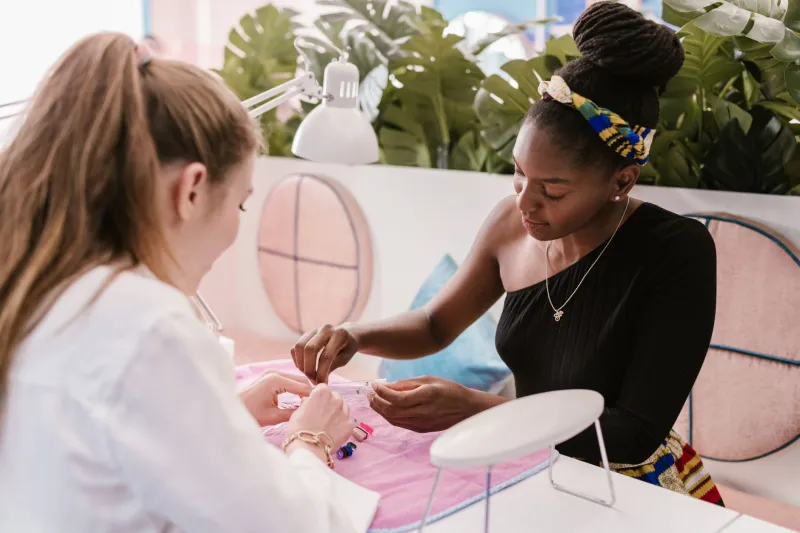
The easiest way to break the skip-and-overhaul cycle is to book your next appointment before you leave your current one. Most salons offer this, and it removes the mental negotiation that happens two weeks later when you're holding your hand up to the light and talking yourself into waiting.
Treat your nail appointments the way you'd treat any other recurring self-care commitment—a workout class, a therapy session, a hair appointment. Put it in the calendar. Honor it, even when things look okay.
Especially when things look okay.
Because that's when the work of real nail health is actually happening—quietly, consistently, one maintenance visit at a time.