Sometimes the Best Thing You Can Do for Your Nails Is Absolutely Nothing
The Instinct to Cover Up Is Totally Understandable — But It's Costing You
We've all been there. You notice your nails are looking rough — maybe they're peeling at the tips, breaking at the slightest pressure, or just looking dull and sad no matter what you do. And the first thought that crosses your mind? Book an appointment. Get them fixed.
It makes sense. A fresh set looks healthy, feels smooth, and gives you that instant confidence boost. But here's the uncomfortable truth that most of us don't want to hear: if your nails are genuinely damaged, piling on more product isn't fixing anything. In a lot of cases, it's quietly making things worse.
Let's talk about what's actually going on underneath all that polish — and what recovery really looks like.
What "Damaged Nails" Actually Means
The nail plate — the hard part you paint — is made of layers of a protein called keratin. When those layers are healthy, they're tightly bonded and flexible. When they're damaged, those bonds start to break down. The result? Peeling, splitting, brittleness, and that awful tissue-paper feeling when you file.
Damage can come from a lot of directions. Repeated gel or acrylic applications, aggressive filing, over-soaking during removal, and even just the acetone in nail polish remover can all degrade the keratin structure over time. Add in nutritional gaps, dehydration, or health conditions like thyroid issues or anemia, and your nails are fighting on multiple fronts.
Here's what matters: the nail plate doesn't repair itself the way skin does. There are no living cells in the part of your nail you can actually see. Whatever damage exists in the plate right now will grow out — slowly — and be replaced by new growth from the matrix (the tissue hidden under your cuticle). That process takes time. Real time.
How Long Does Actual Healing Take?
Fingernails grow roughly 3 to 4 millimeters per month on average, though that varies by person, season, and overall health. A full nail replacement — from cuticle to tip — takes somewhere between four and six months for most people.
That means if your nails are damaged halfway down the plate, you're looking at two to three months of new growth before that damage is even mostly gone. And that's under ideal conditions — with proper nutrition, hydration, and crucially, reduced chemical exposure.
If you keep layering product over compromised nails during that window? You're essentially interrupting the recovery process before it can finish. The damage doesn't go away just because you can't see it.
What Different Treatments Actually Do to the Nail Bed
It's worth being specific here, because not all nail services hit your nails the same way.
Gel polish requires UV or LED curing, which is generally low-risk for the nail plate itself. The bigger issue is removal. Soaking in acetone for 10 to 15 minutes — which is standard — strips moisture and oils from the nail, leaving it dehydrated and more prone to breakage. Do this every two to three weeks for months on end, and the cumulative effect adds up.
Acrylic and hard gel extensions involve filing down the natural nail surface to create adhesion. Even when done carefully, this thins the nail plate. Repeated applications over time can leave nails genuinely thin and fragile, sometimes to the point where they flex uncomfortably under light pressure.
Regular nail polish is the gentlest option, but constant use without breaks can still prevent the nail from breathing and rehydrating naturally. And if you're removing it with acetone-based remover frequently, the same dehydration issue applies.
None of this means these services are inherently bad — millions of people enjoy them without significant problems. But if your nails are already in rough shape, continuing any of these treatments without a break is like trying to heal a sprained ankle while still running on it every day.
When to Actually Skip the Salon
There are some clear signals that your nails need a real rest period, not just a different product:
- Nails are bending or folding rather than snapping cleanly — this indicates serious thinning
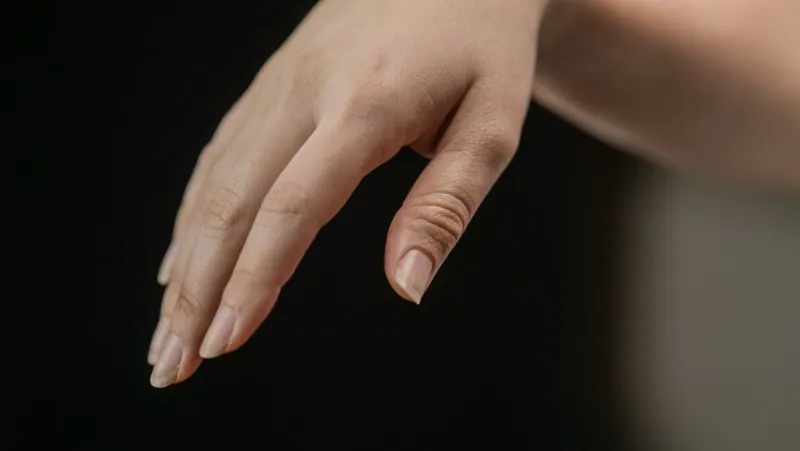
- Peeling that goes more than halfway down the nail plate
- Pain or sensitivity around the nail bed after removal
- Discoloration that isn't explained by a specific polish (yellowing, white spots, or greenish tints can sometimes signal fungal issues or bacterial problems that a manicure will only trap and worsen)
- Cuticles that are constantly dry, cracked, or inflamed
If you're seeing any of these, it's genuinely worth taking a break — ideally four to eight weeks minimum — before your next service. Yes, that might feel like forever. But it's a fraction of the time you'd spend dealing with nails that never quite recover because they never got the chance.
What Actually Rebuilds Nail Health
Here's the good news: there are real, evidence-backed ways to support nail recovery during a break. And most of them don't require a trip to any store.
Hydration and diet matter more than most people realize. Biotin (vitamin B7) has the strongest research behind it for nail strength — you'll find it in eggs, nuts, and leafy greens, or in supplement form. Protein intake is also key, since keratin is literally made of it. Iron deficiency is a surprisingly common culprit behind brittle nails, so if yours have been struggling for a while, it might be worth getting your levels checked.
Cuticle oil is not optional. Seriously. Applying a good cuticle oil — jojoba, vitamin E, or argan oil are all solid choices — daily helps restore moisture to both the nail plate and the surrounding skin. It won't reverse existing damage, but it creates a better environment for healthy regrowth.
Wear gloves when cleaning. Dish soap and household cleaners are brutal on nails. A simple pair of rubber gloves during chores makes a noticeable difference over time.
Skip the hand sanitizer when you can. Alcohol-based sanitizers are extremely drying. Where soap and water is available, use it.
File gently and in one direction. Sawing back and forth creates micro-tears in the nail edge that worsen peeling. A fine-grit file moved in a single direction is much kinder.
The Bigger Picture
There's a cultural thing that happens in the nail world where we treat the salon as both the cause of and the cure for everything. Had a rough gel removal? Book a new set. Nails look weak? Get an overlay to protect them. And while there's a time and place for all of that, it can become a cycle that prevents real healing from ever happening.
Taking a break from nail services isn't giving up on your nails. It's actually one of the most intentional, informed things you can do for them. Think of it as the nail equivalent of a skincare reset — sometimes your skin needs a week with nothing but a gentle cleanser and moisturizer, and your nails are no different.
The goal isn't to never get your nails done again. The goal is to come back to the salon with a healthy foundation — so that next set, whatever it is, actually looks and feels the way it's supposed to.